

Industry Update
The FCC’s Router Rules Are a Wake-Up Call: Long-Term Support Matters More Than Ever
The router already in your home is not suddenly banned. But the FCC’s latest action is still a real wake-up call, because it highlights something most buyers rarely think about until it is too late: a router is not just a hardware purchase. It is a support decision.
Best for: buyers comparing FlashRouters vs big-box retail, users thinking about long-term firmware support, and anyone who wants more than a shelf purchase with no real support plan behind it.
The big takeaway is not “your router is banned.” It is “router support matters more than ever.”
- The FCC did not ban routers already sitting in people’s homes.
- The new policy mainly affects authorization and support pathways for covered foreign-made consumer routers.
- Previously authorized covered devices can still receive certain harm-mitigating updates for now.
- That makes long-term firmware support, engineering oversight, and real support services more important than most buyers realize.
- A router is no longer just a hardware decision. It is a support decision.
Jump to:
What changed ·
Why it matters ·
Privacy Hero 2 ·
Support services ·
FAQ
The bigger lesson behind this FCC story is simple: routers should not be treated like disposable appliances. Their real value depends on the support path, firmware story, and long-term usability behind the hardware.
What actually changed with the FCC?
In March 2026, the FCC added certain foreign-produced consumer routers to its Covered List. The issue was not that routers already in homes would instantly stop working. The issue was that previously authorized covered routers could have been blocked from receiving the kinds of software and firmware changes normally used to maintain security and continued operation. The FCC then issued a waiver so previously authorized covered routers could continue receiving software and firmware updates that mitigate harm to U.S. consumers through at least March 1, 2027, including updates that patch vulnerabilities and maintain continued functionality and compatibility.
That is very different from saying all existing routers are banned. The most useful takeaway is not panic. It is support. The hardware is only part of the purchase. The real long-term value is the update path, the maintenance story, and whether there is anyone actually helping you when something changes.
The best way to read this FCC story is not as a consumer panic story, but as a support story. The real question is not just who sells the hardware. It is who stands behind it after the purchase.
Why this matters to ordinary router buyers
Most people do not think of their router as a living platform. They buy something from Amazon, Best Buy, or their ISP, set it up once, and assume updates and support will simply happen quietly in the background for years.
That assumption is getting weaker. A router is valuable if it keeps working well, stays secure, remains compatible, and has a believable support path behind it.
Firmware support is not optional
A router is part of your home’s long-term network security. Maintenance matters.
Routers have to keep working
Compatibility, stability, and continued usability matter just as much as the printed spec sheet.
Shelf routers rarely come with real guidance
A retailer may give you a box and a return window. That is not the same thing as real router support.
The ISP angle makes this even more important
Many Americans do not fully control the router decision in the first place. TechRadar reports that 71% of U.S. households get routers from ISPs, which means millions of users may be relying on whatever equipment cycle their provider decides to follow. Those households cannot simply wake up one day, decide the support path looks shaky, and instantly swap in new hardware.
That makes this more than a niche enthusiast story. If a large share of homes are relying on ISP-supplied hardware, then support uncertainty becomes a mainstream consumer issue. It also makes the value of owning a router with a clearer support path much easier to understand.
Why this is a meaningful FlashRouters advantage
FlashRouters is not built around moving anonymous hardware volume. It is built around setup paths, firmware-aware guidance, specialist help, and real support. That shows up across the ecosystem: the Router Quiz helps buyers choose by home size and device count, VPN Providers Listh helps shoppers explore router options by provider, and product lines like Privacy Hero 2 position support and simplicity as part of the product story.
Privacy Hero 2: the bridge between Homebrew networking and big-box retail
Not everyone wants a fully Homebrew router. But more buyers also want more than a shelf purchase.
Privacy Hero 2 is the middle ground. It bridges the gap between Homebrew router culture and mass-market retail hardware by giving buyers something more approachable than a fully self-managed DIY path, while still offering something more specialized than a generic off-the-shelf router.
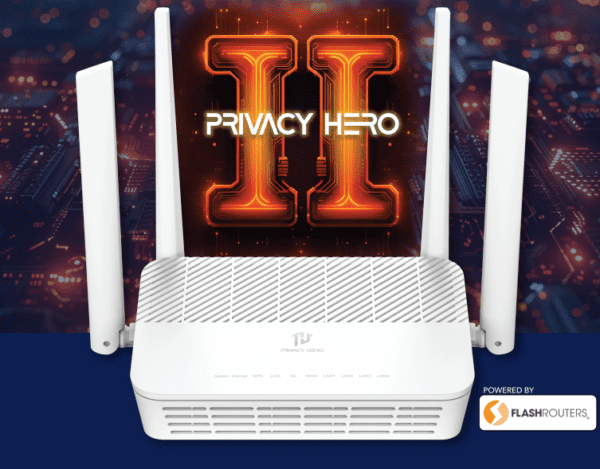 That difference matters. Privacy Hero 2 is not just a router off a shelf. It is a FlashRouters-backed platform designed for buyers who want more confidence than retail usually provides, without needing to become full-time router hobbyists themselves.
In plain English: big-box stores sell hardware. FlashRouters adds support, guidance, service options, testing, and a clearer long-term story behind the hardware.
That positioning matters even more now. Buyers who want more confidence than a shelf router provides, but less complexity than a fully DIY networking project, need a middle path. That is where Privacy Hero 2 makes sense.
Support services are part of the value
This is the part mass-market router shopping usually misses. If you buy from a giant retail shelf, you may get a return policy. What you usually do not get is a specialist layer built around setup, firmware paths, VPN integration, troubleshooting, and guided help over time.
Upgrade supported hardware you already own
With Flash My Router, FlashRouters offers a guided one-on-one service to upgrade supported routers instead of forcing a blind replacement cycle. For ASUS users, there is also a live Merlin-focused Flash My Router option.
Ongoing expert help when you need it
FlashRouters’ service plan and service plans overview support setup, troubleshooting, changes, and continued router use over time.
Guides, troubleshooting, and setup help
The FlashRouters Support Portal includes setup guides, troubleshooting help, VPN resources, and model-specific documentation, including the Privacy Hero setup guide.
How FlashRouters differs from Amazon or Best Buy router shopping
| Big-box / marketplace approach | FlashRouters approach |
|---|---|
| hardware-first purchase | support-path and use-case purchase |
| generic support or self-service only | setup help, troubleshooting, and service options |
| firmware path often opaque to buyers | curated options with stronger support stories |
| buy the box and hope | buy the router with a real ecosystem behind it |
Where to start
If you are not sure where to begin, start with the Router Quiz. If you already own supported hardware and want a better firmware path, look at Flash My Router. If you want a more guided long-term support model, compare the service plans and consider whether Privacy Hero 2 is the right bridge between Homebrew complexity and retail simplicity.
A router is no longer just a hardware purchase
The FCC headlines will come and go. The bigger lesson lasts: buy the router with the better support story behind it.
FAQ
Did the FCC ban routers already in people’s homes?
No. The FCC action is not a recall of routers already being used in homes. The bigger issue is how covered devices are treated for authorization and long-term support going forward.
Can existing covered routers still receive updates?
For now, previously authorized covered routers can still receive certain software and firmware updates that mitigate harm to consumers, including updates needed to maintain continued functionality.
Why does the ISP angle matter here?
Because many households do not fully control the router replacement path themselves. If they rely on ISP-provided hardware, support and upgrade timing may be driven by provider cycles rather than by what is best for the user at home.
What is the best next step if I want better long-term support?
Start with the Router Quiz, then compare Privacy Hero 2, Flash My Router, and FlashRouters service plans based on whether you want a new router, an upgrade path for supported hardware, or ongoing expert help.
The FCC’s Router Rules Are a Wake-Up Call: Long-Term Support Matters More Than Ever
BEST VPNs OF 2026
#1

#2

#3
